Google Workspace sets a 1 February deadline for how AI agents reach Gmail and Drive
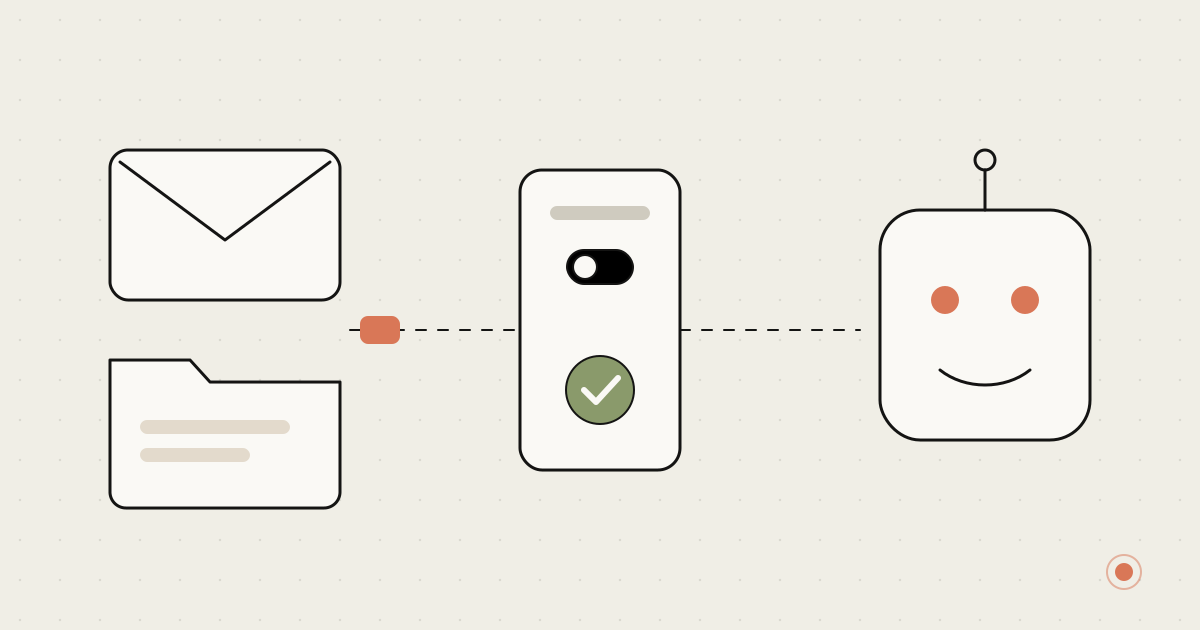
Google now requires AI agents to reach Gmail, Drive and other Workspace apps through its own servers, enforced from 1 February 2027. On 25 November Google made those servers generally available, with six controls that let IT teams see, limit and switch off the agents that touch company email and files.
What happened
Google opened two official routes for AI agents. The Workspace MCP servers serve cloud and web agents across Gmail, Drive, Docs, Sheets, Slides, Calendar, Chat and Tasks, with Keep coming soon. MCP (Model Context Protocol) is an open standard that lets AI agents connect to tools and data. The Workspace CLI, a command-line tool, serves agents and automations that run on a desktop.
A new Workspace AI Tools Addendum, a set of extra terms added to the Workspace agreement, says AI agents must use these routes instead of calling Workspace REST APIs directly. REST APIs are the standard programming doors into Gmail, Drive and the rest; the new rule covers AI agents, not every integration. Google says technical enforcement begins on 1 February 2027.
The controls that come with it:
- Every agent request is checked against the organisation's permissions, its data loss prevention (DLP) rules, which stop sensitive data leaving, and its classification labels, the tags that mark files as confidential.
- External agents must use their own OAuth client IDs, the credential that lets an app act for a user without their password, with least-privilege scopes and, coming soon, time-limited approvals. Usage quotas apply, and billing for them begins on 1 April 2027. Google's post gives no rates.
- People confirm high-impact actions, such as sending external email, changing Drive sharing or making bulk edits, under rules IT sets.
- Admins can view, audit and revoke agents in the admin console.
- Coming soon: blocking external agents from specific Gmail messages and Drive files or folders, and letting users see and revoke agent activity themselves.
- The addendum bans permanent raw storage of Workspace data and model training on it, requires derived data to be removed within a set window and data to be deleted on disconnect, and bans using agents to scrape Workspace APIs.
Why it matters
Plenty of marketing teams already run small agents on Workspace: one that reads a spend sheet and drafts a weekly summary, another that files reports into Drive. Any of those built on direct REST calls now has a migration date.
The confirmation rule changes automated reporting too. An illustrative case: an agent that emails a weekly results summary to an outside agency is sending external email, one of the high-impact actions Google lists for user confirmation, under policies IT defines. Where that policy applies, a person approves each send, so a fully hands-off report needs a different design, such as sharing a dashboard instead.
The upside is visibility. Once each agent has its own identity, a team can see which tools touch its data and switch off the ones nobody owns.
How a team could try it
- This week, list every AI tool or script that reads or writes your Workspace data, with one owner for each.
- Ask IT to pull the list of connected agents and their access from the admin console.
- For each tool, ask whoever built it, or the vendor, whether it uses the Workspace MCP servers or CLI, or calls REST APIs directly. Plan to move the direct ones well before 1 February 2027.
- Agree with IT which actions need a person's yes, starting with external email and sharing changes.
- Ask your vendors when their connectors will move, and check quota costs before billing starts on 1 April 2027.
Next step
Why this matters: the AI helpers your reports depend on now need an owner and a migration plan. Get the week's best stories every Monday in The Growth Stack weekly digest, or browse every post on the blog.
Growth Stack score: 6/14 · Adoptability 4 · Product 2
Score key: AI adoptability 0 to 4 (highest weight) plus R&D, partnership, M&A, revenue and product 0 to 2 each, out of 14. Only the parts that score above zero are listed.